Tree Risk Assessment in Montecito, CA

Tree Risk Assessment is a structured evaluation of tree stability, structural defects, and failure potential, and it is something many Montecito homeowners rely on before storm season arrives. Properties tucked among mature oaks and eucalyptus, along with hillside lots near canyon winds, benefit most from a careful look at root plates, included bark unions, and canopy load. Our team reviews decay, lean, and deadwood using a proven visual inspection sequence. Through 2026 we schedule these assessments year-round, with added focus on winter and pre-fire-season readiness. Montecito Tree Specialists handles each review with a written report you can keep on file.

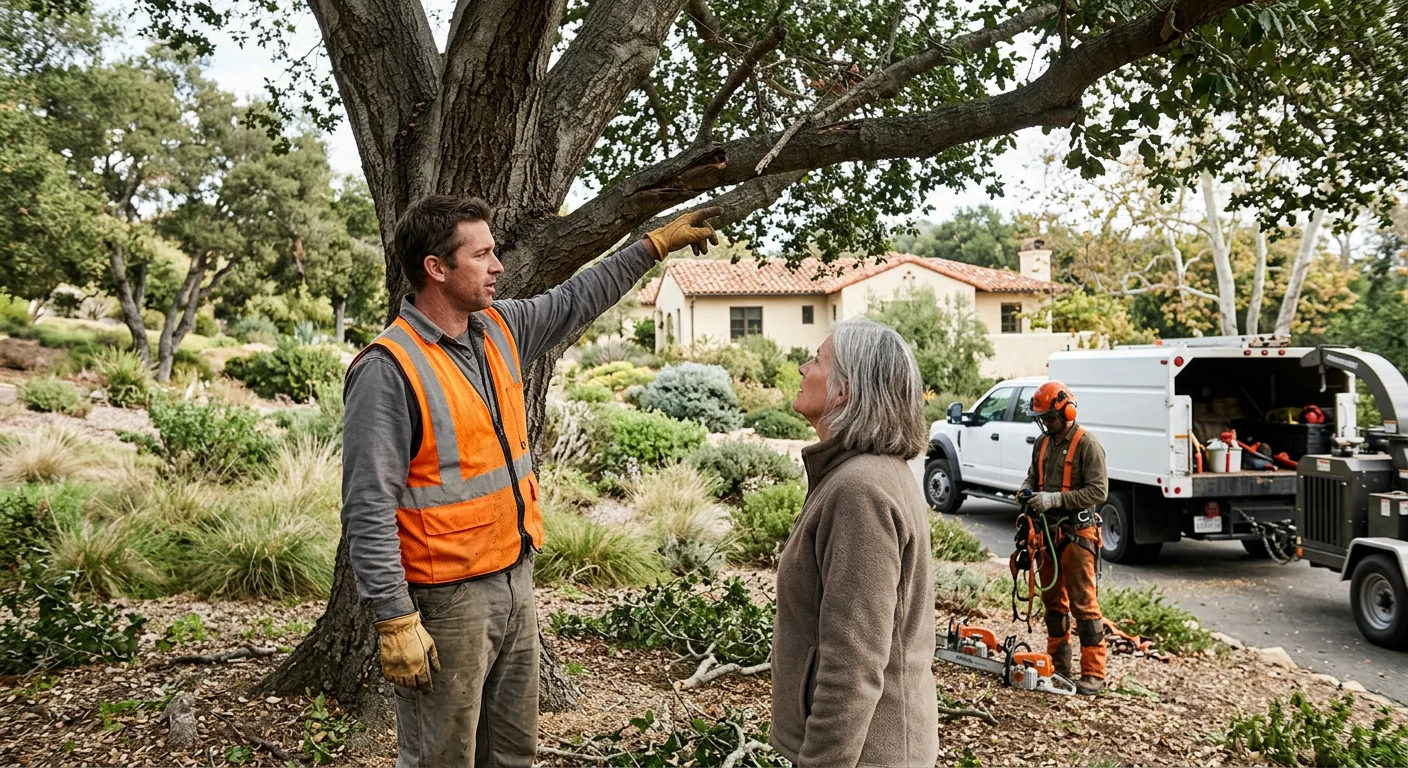
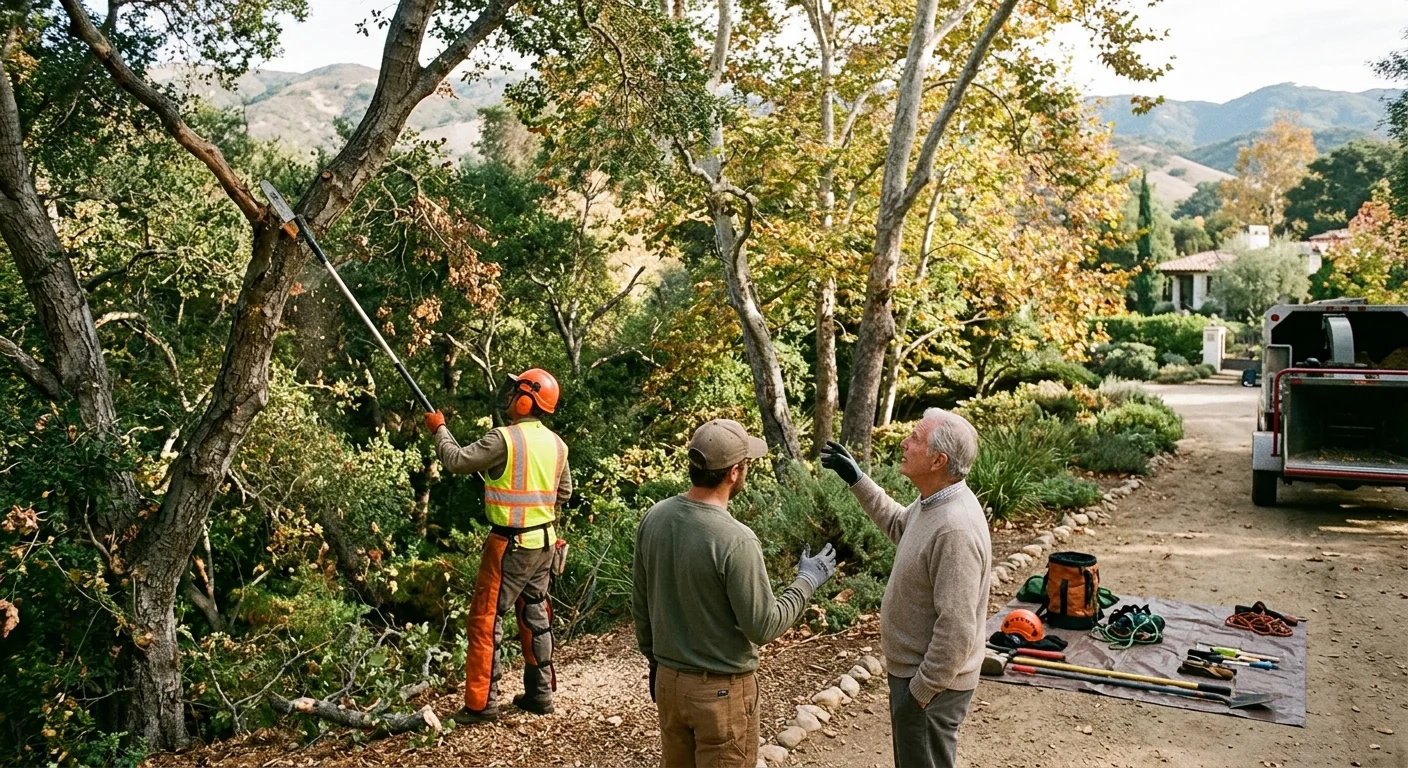
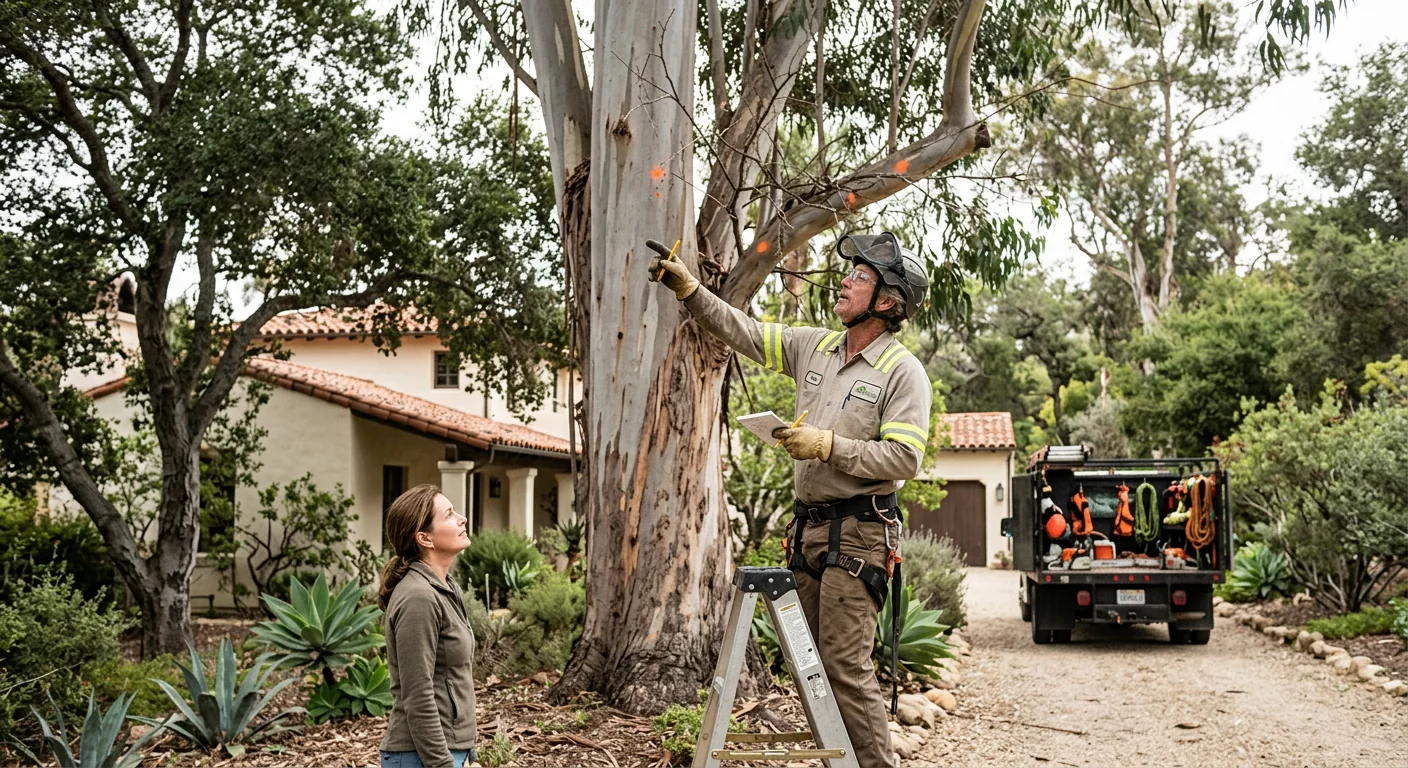
Arborist inspecting a mature oak canopy on a Montecito hillside property

What Our Tree Risk Assessment Service Includes

Tree Risk Assessment is the process of inspecting a tree’s structure, health, and surroundings to gauge the likelihood of limb or whole-tree failure, and at Montecito Tree Specialists it includes root collar checks, canopy evaluation, and defect mapping across Montecito properties. Our arborists walk each site methodically, noting cavities, cracks, fungal conjks, and co-dominant stems that signal weakness. We assess target zones such as driveways, roofs, patios, and shared fence lines so recommendations match how each property is actually used. Residential lots, commercial parcels, and multi-unit complexes all receive the same careful review. Everything is documented in a written report with clear next steps.

Regular assessments help keep trees healthier and safer season after season rather than waiting for something to fall. For 2026 we encourage scheduling reviews ahead of winter storms and before the dry summer stretch, since Montecito’s slopes and coastal winds place ongoing stress on mature canopies. We look at soil conditions, prior pruning history, and signs of gradual decline so small issues get caught early. Recurring inspections extend the life of your trees and protect the look of your grounds. Steady, planned care beats reactive cleanup every time.

What We Evaluate

Leaning trunk with visible cracks near a Montecito home driveway
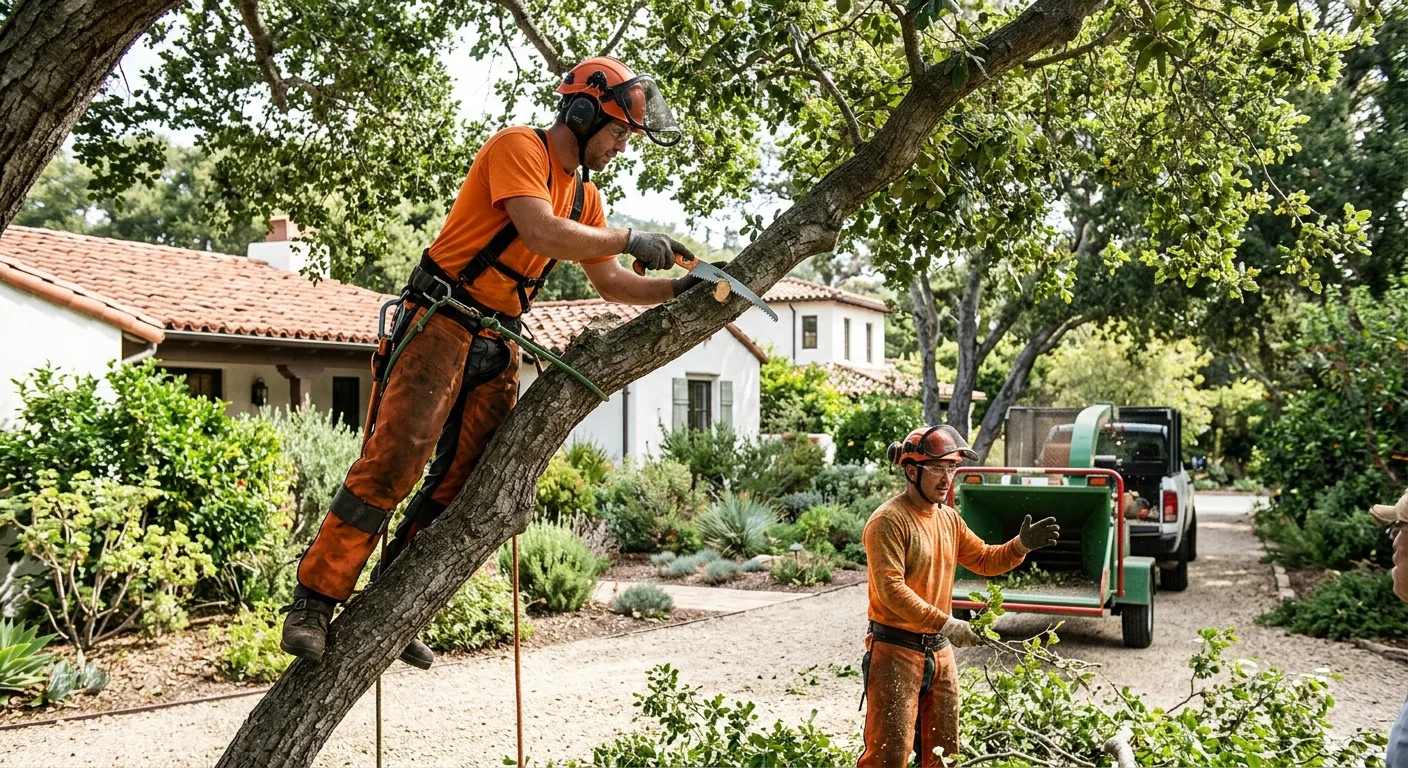
Deadwood and canopy dieback in a mature coastal oak tree

Signs You Need Tree Risk Assessment

What Signs Mean Your Property Needs Tree Risk Assessment?

Signs your property needs a Tree Risk Assessment include visible lean, cracked or hollow trunks, hanging deadwood, and lifting soil around the root plate. Around Montecito, homeowners often notice co-dominant stems with included bark, mushroom growth at the base, or bark that peels away in sheets after a wet winter. Canopy dieback, sudden limb drop, and cavities near old pruning wounds are other symptoms worth flagging. Trees near driveways, roofs, and property lines carry higher target risk when these defects appear. Small warning signs rarely fix themselves.

Because Montecito’s canyon winds and 2026 storm patterns keep adding stress to mature oaks and eucalyptus, catching these issues early matters. A proper assessment reviews decay, structural weakness, and failure likelihood before conditions worsen, then lays out a plan for pruning, cabling, or ongoing monitoring. Routine checks keep your grounds safer through changing seasons. Tree Risk Assessment gives Montecito property owners a clear, documented picture of what needs attention now and what can wait.

Book an Inspection Today (805) 312-7741

Tree Risk Assessment Process

How Does Our Tree Risk Assessment Process Work in Montecito?

Schedule Your Assessment (805) 312-7741
1

Property Walkthrough and Site Review

We start by walking your property with you, noting mature canopies, slope conditions, and any trees close to homes or driveways. This first pass helps us understand how each specimen sits within your Montecito neighborhood and what seasonal pressures it faces. Nothing is rushed. We listen to your concerns before any evaluation begins.

2

Structural and Health Inspection

Next, our team inspects trunk stability, root flare, canopy density, and signs of decay or pest activity. We check for co-dominant stems, included bark, and deadwood that could weaken a tree over time. Each finding is recorded so patterns across the property become clear, supporting long-term upkeep rather than one-time fixes.

3

Risk Rating and Documentation

After the inspection, we assign a clear risk level to each tree based on likelihood of failure and potential impact. In 2026, many Montecito homeowners want written documentation for insurance and planning, so every assessment is recorded on paper. You receive an easy-to-read summary. No jargon, no guesswork.

4

Maintenance and Mitigation Plan

Based on the ratings, we outline recommended steps such as pruning, cabling and bracing, or scheduled monitoring. Our focus leans toward preventative care that keeps trees healthy through dry summers and winter storms common across the area. We prioritize actions so you can plan around your budget and seasons.

5

Follow-Up and Ongoing Care

Finally, we set a recommended re-inspection schedule to track changes year over year. Trees shift as they mature, and regular check-ins help catch small issues before they grow. We stay available for questions afterward. Consistent care keeps your property safer season after season.

Tree Risk Assessment Cost Factors

How Much Does Tree Risk Assessment Cost in Montecito?

Tree Risk Assessment pricing in Montecito depends primarily on the number of trees evaluated, species and maturity, site accessibility, and the depth of documentation you need. A single specimen near a home reviews differently than a full lot with dense canopy and steep slopes. Larger properties with many mature oaks or eucalyptus naturally take more time to inspect thoroughly. Access matters too, since trees on hillsides or behind structures require extra care during the walkthrough.

Several factors shape the final number for each 2026 assessment. Trunk condition, root flare exposure, canopy density, and signs of decay all influence how detailed the inspection needs to be. If written reports for insurance or permitting are involved, that adds to the scope as well. Every quote reflects the actual work in front of us.

Because no two properties look alike, exact pricing always follows a site visit rather than a phone guess. We review your trees in person, note the conditions, and explain what we recommend before any work starts. You receive a free written estimate with clear line items. No surprises later.

CALL US AT (805) 312-7741

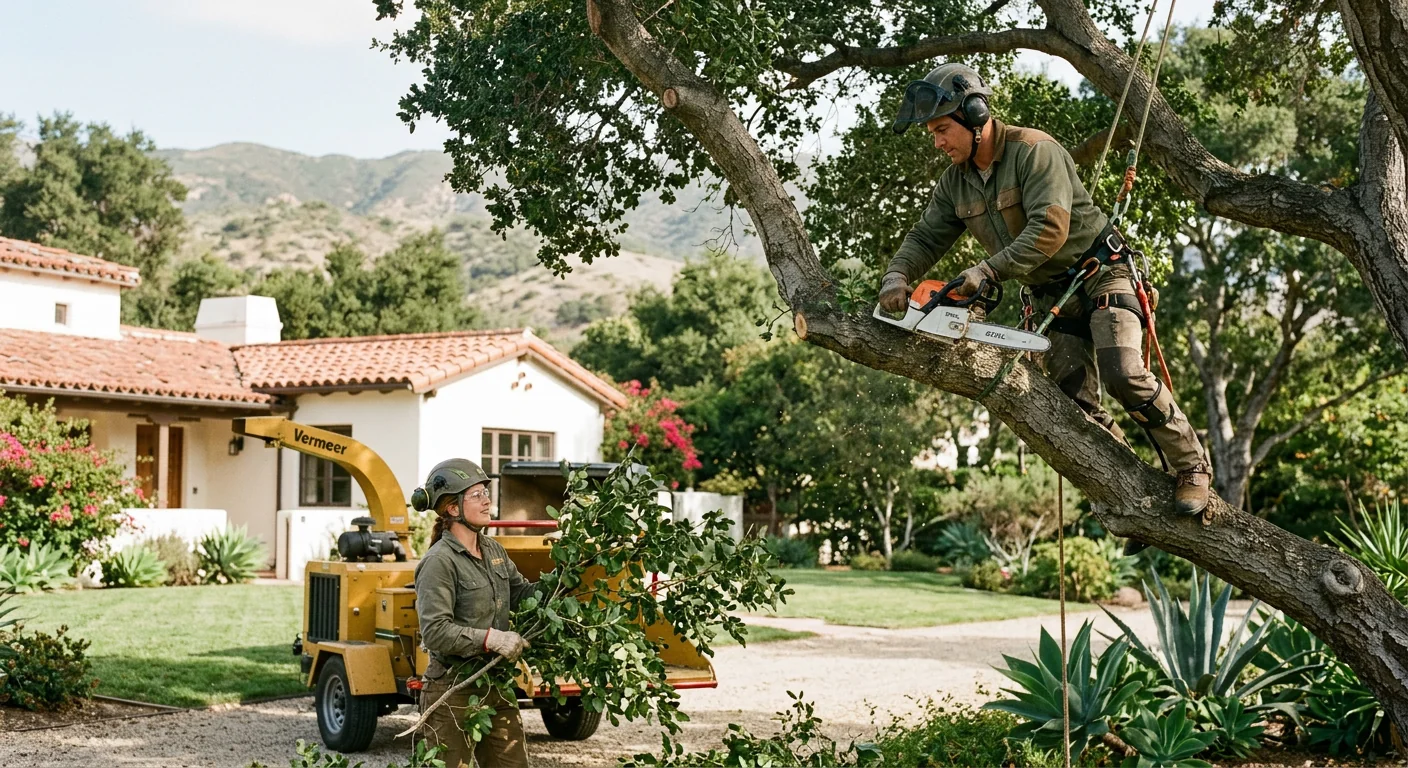
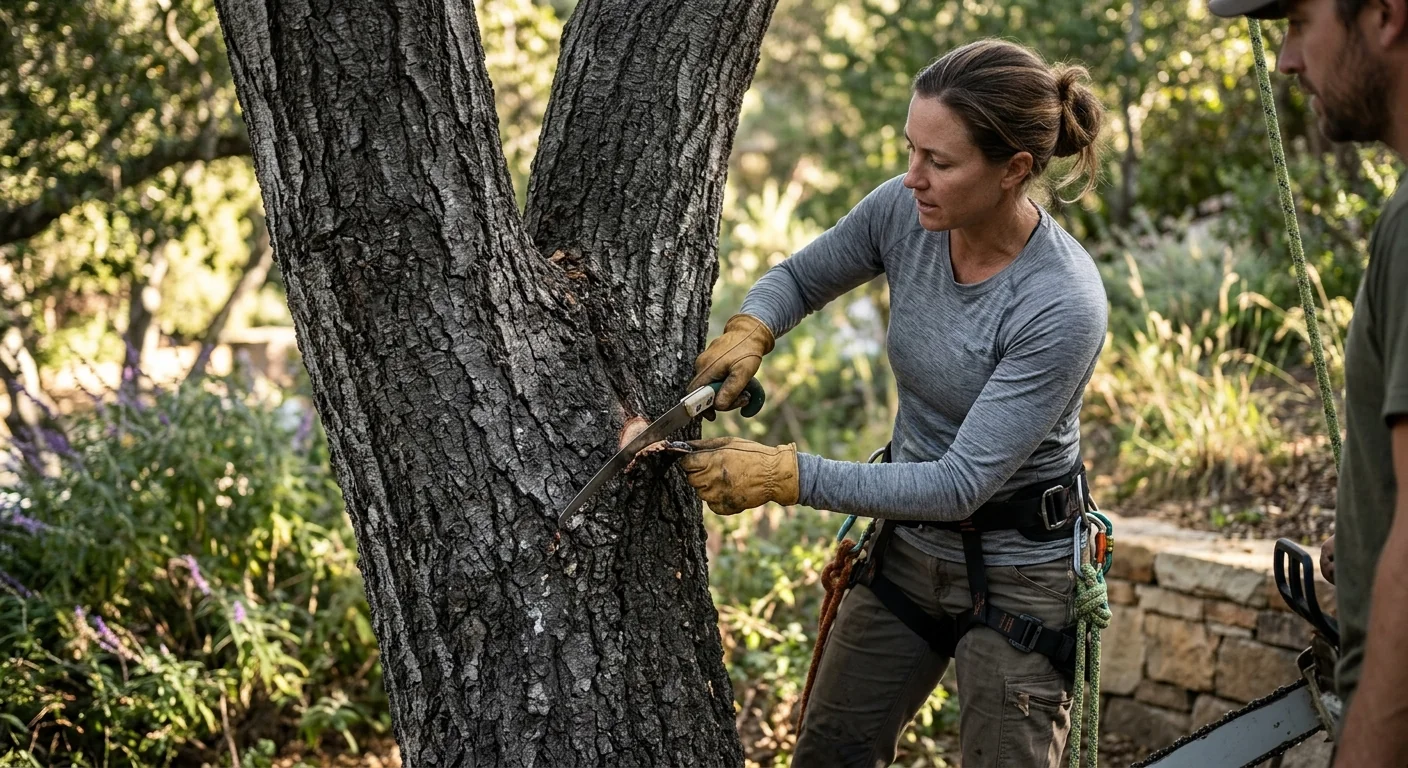
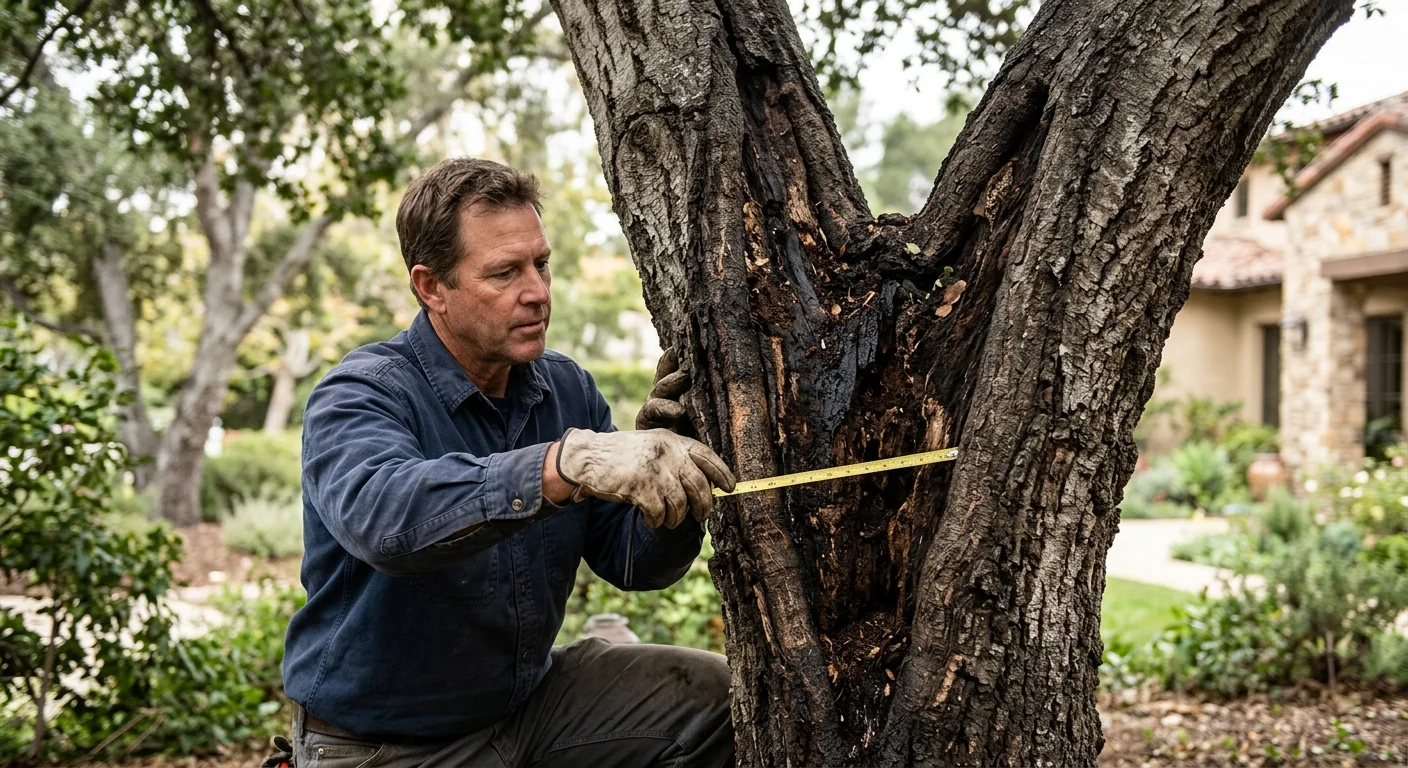
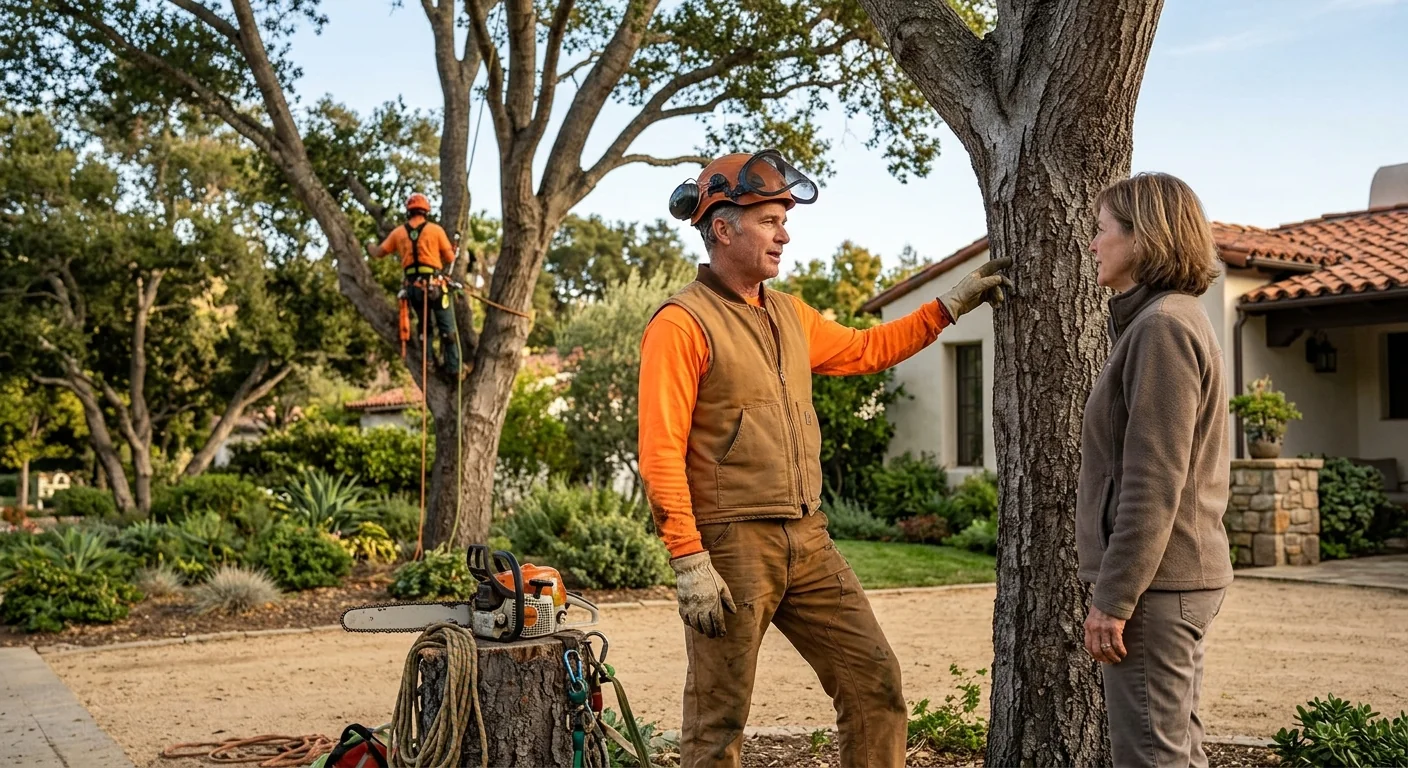
Arborist inspecting a mature oak trunk during a tree risk assessment in Montecito

Recent Tree Risk Assessment Jobs

Recent Tree Risk Assessment Projects in Montecito

Across Montecito in 2026, we have assessed everything from single backyard oaks to full estate lots with aging canopies. Each visit covers root flare inspection, canopy review, and decay checks, paired with a maintenance schedule that keeps trees healthier through changing seasons rather than waiting for problems to appear.

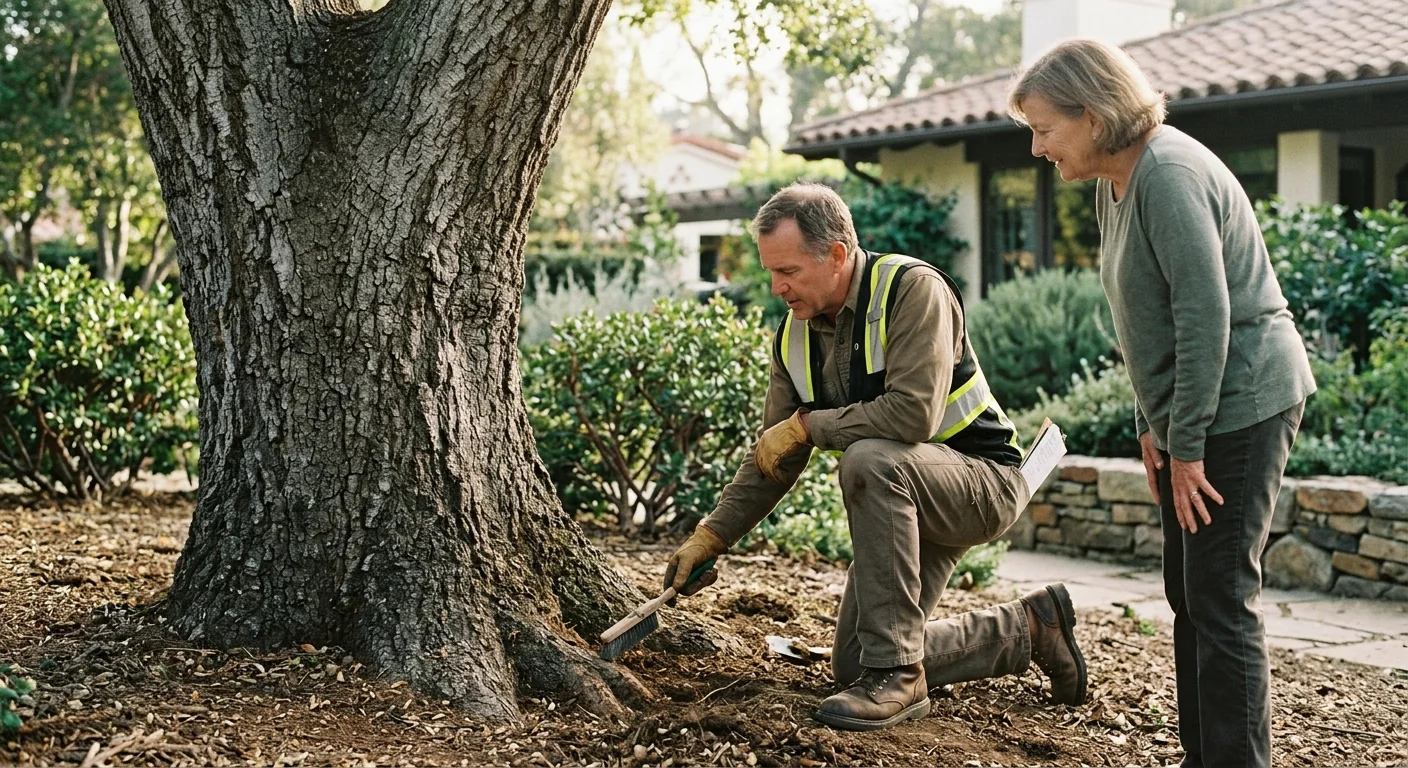
Arborist examining root flare of a mature oak on a residential Montecito property
Wide view of an estate lot with dense tree canopy under seasonal assessment
Close-up of trunk decay and included bark noted during a structural inspection
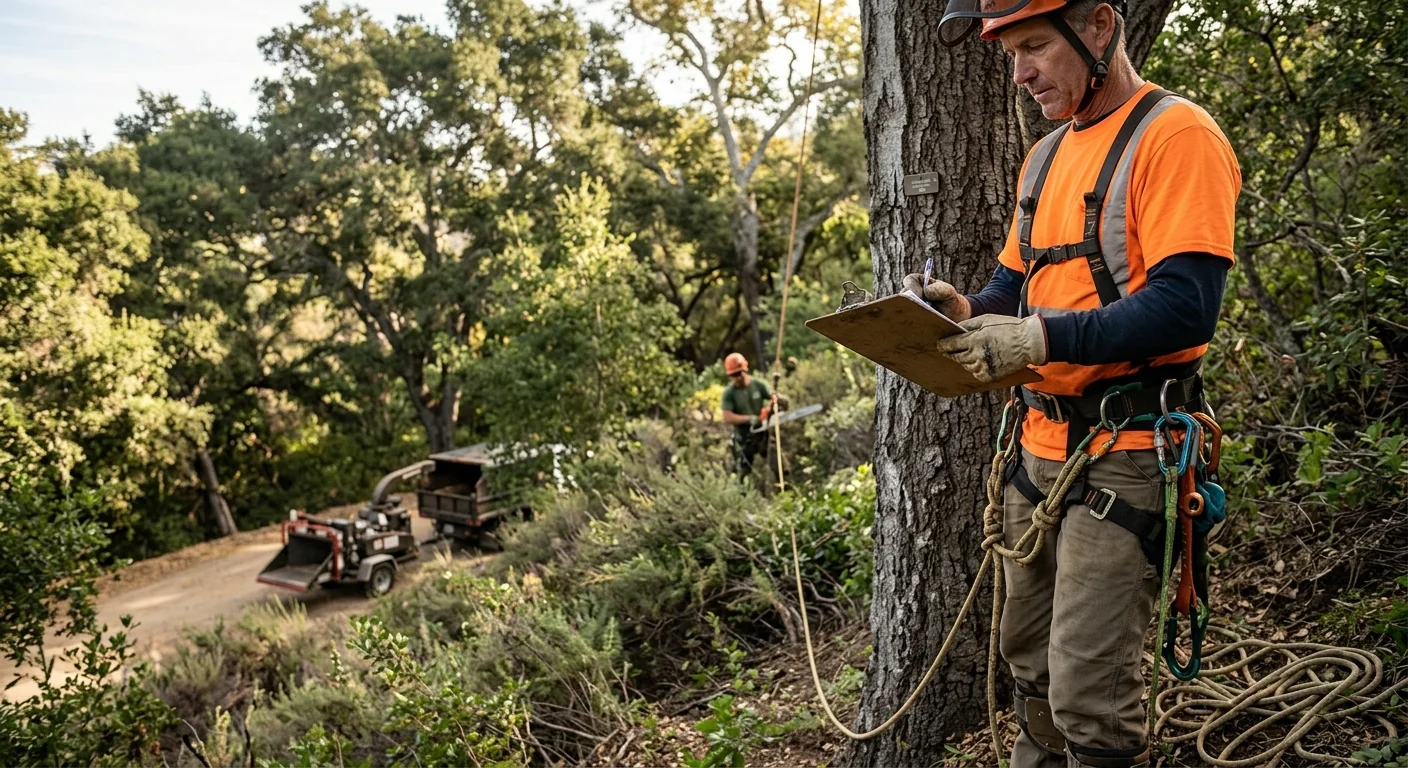
Technician documenting tree risk ratings on a clipboard beside a hillside canopy
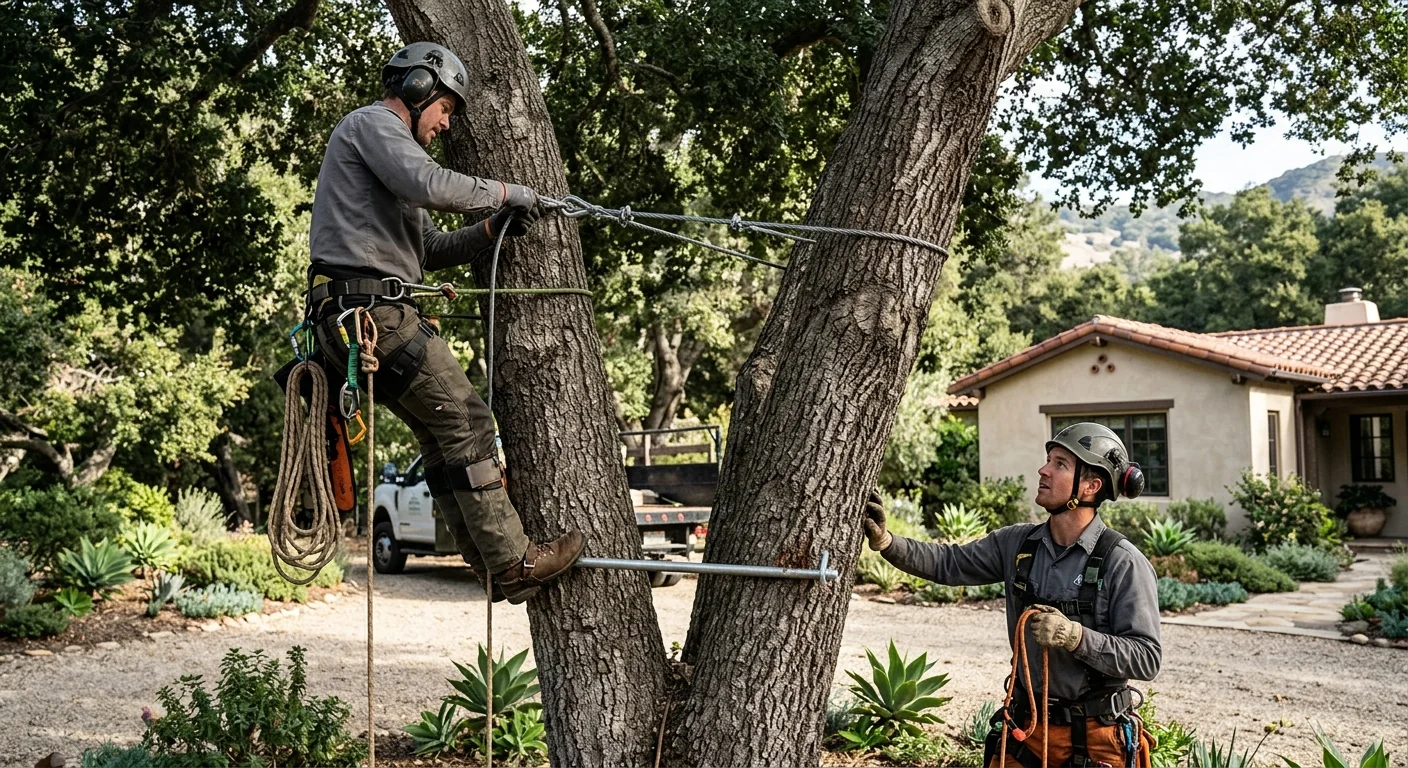
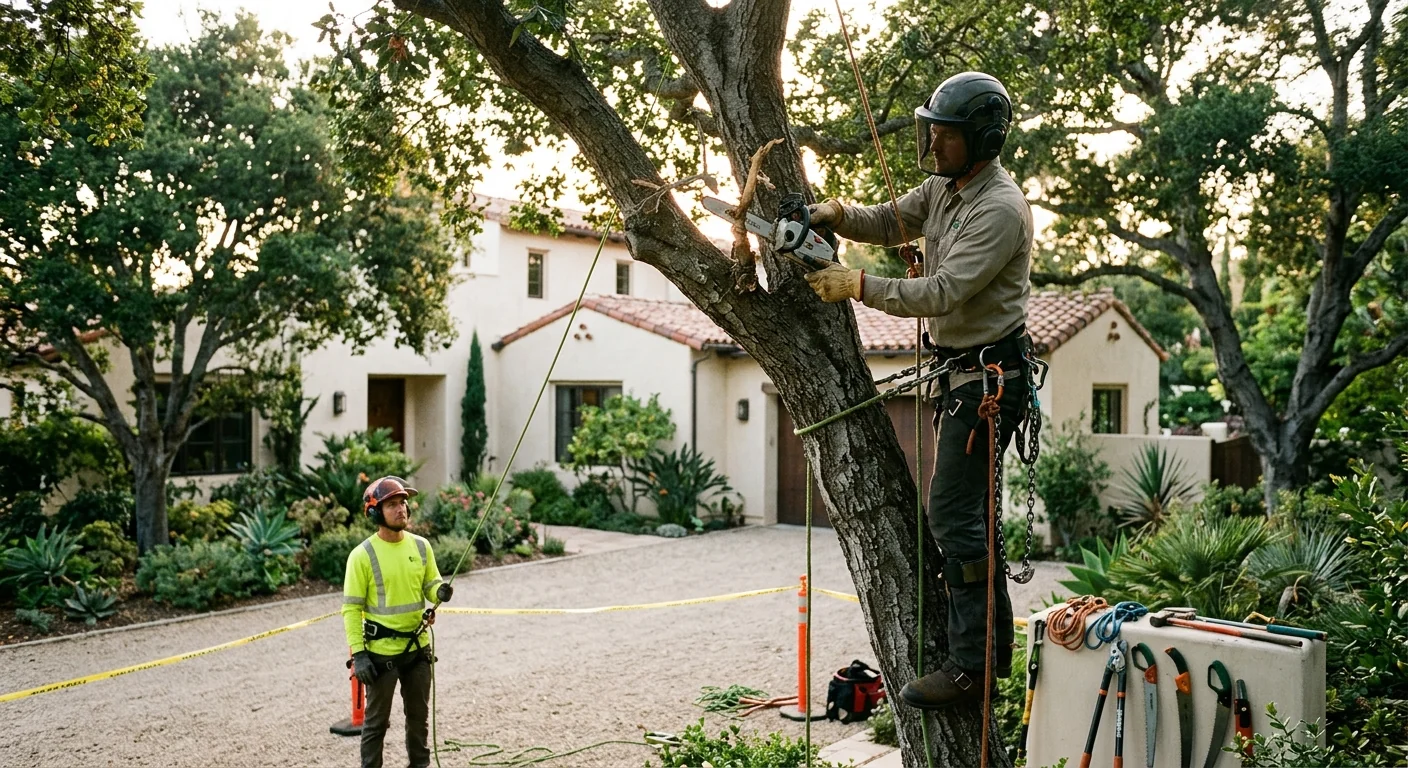
Cabling and bracing hardware supporting a co-dominant stem on a large tree
Deadwood removal recommendation marked on a towering eucalyptus near a home
Tree Service service project completed by Montecito Tree Specialists in Montecito, CA

/// Risk Assessment FAQs ///

Tree Risk Assessment FAQs for Montecito Homeowners

Answers to the questions Montecito property owners ask most about tree risk assessment in 2026, including what an inspection covers, how scheduling works, and how local conditions shape our findings.
Arborist inspecting a mature oak for structural defects on a Montecito hillside property

A tree risk assessment is a structured visual inspection where we examine each tree for defects like included bark, decay pockets, cavities, root-collar issues, and lean, then rate the likelihood of failure against nearby targets such as your home or driveway. We document what we find and note whether ongoing monitoring, pruning, or cabling would help. You receive a written summary so nothing gets lost in translation.

Most Montecito homeowners benefit from a tree risk assessment every one to two years, with an added look after major wind or storm events. Trees near patios, walkways, or power lines often warrant a tighter schedule because the target zone raises the stakes if a limb fails. Building a recurring inspection routine catches subtle changes in canopy dieback or trunk lean before they become emergencies.

You do not need to be present, though it helps if you can point out any trees that have dropped limbs, shifted, or shown crown thinning. Clearing vehicles and moving patio furniture away from the base of larger trees gives our arborist room to check the root flare and lower trunk. If gates are locked or dogs roam the yard, let us know ahead of time so the walkthrough stays efficient.

Pricing depends on the number of trees, their size, and how detailed the evaluation needs to be, so we provide a written estimate before any work begins. A single specimen near your home takes less time than a full survey of a wooded lot with multiple mature oaks and eucalyptus. We walk you through the estimate line by line so you understand what each part of the assessment covers.

Montecito’s combination of dry summers, wet winter storms, and sloped hillsides puts real stress on root systems and shallow-rooted species, which is why local conditions are central to every assessment. Saturated soil after heavy rain can loosen a root plate, while long drought periods contribute to limb dieback and brittle deadwood. We factor coastal wind exposure and slope stability into the failure-likelihood rating for each tree.

Once a tree is flagged, we outline the recommended follow-up, which may include crown reduction, deadwood removal, cabling and bracing for weak unions, or removal when the defect is severe. Our report ranks each tree by priority so you can plan care in a sensible order rather than tackling everything at once. Heading into the 2026 storm season, many Montecito clients use these findings to schedule preventative work before the winter rains arrive.

Book Your Tree Risk Assessment

Schedule Tree Risk Assessment in Montecito

Call Us: (805) 312-7741

Ready to know exactly how your trees are holding up this year? Our team walks your property, checks for structural concerns, and shares clear findings with a free written estimate before any work begins. There is no obligation to move forward. Homeowners across Montecito count on regular assessments to catch small issues before winter storms or dry-season stress turn them into bigger problems. A quick inspection now helps you plan ahead for 2026 and keep your landscape healthy season after season. Reach out today and we will find a time that fits your schedule. Let’s take a look together and keep your Montecito property safe.

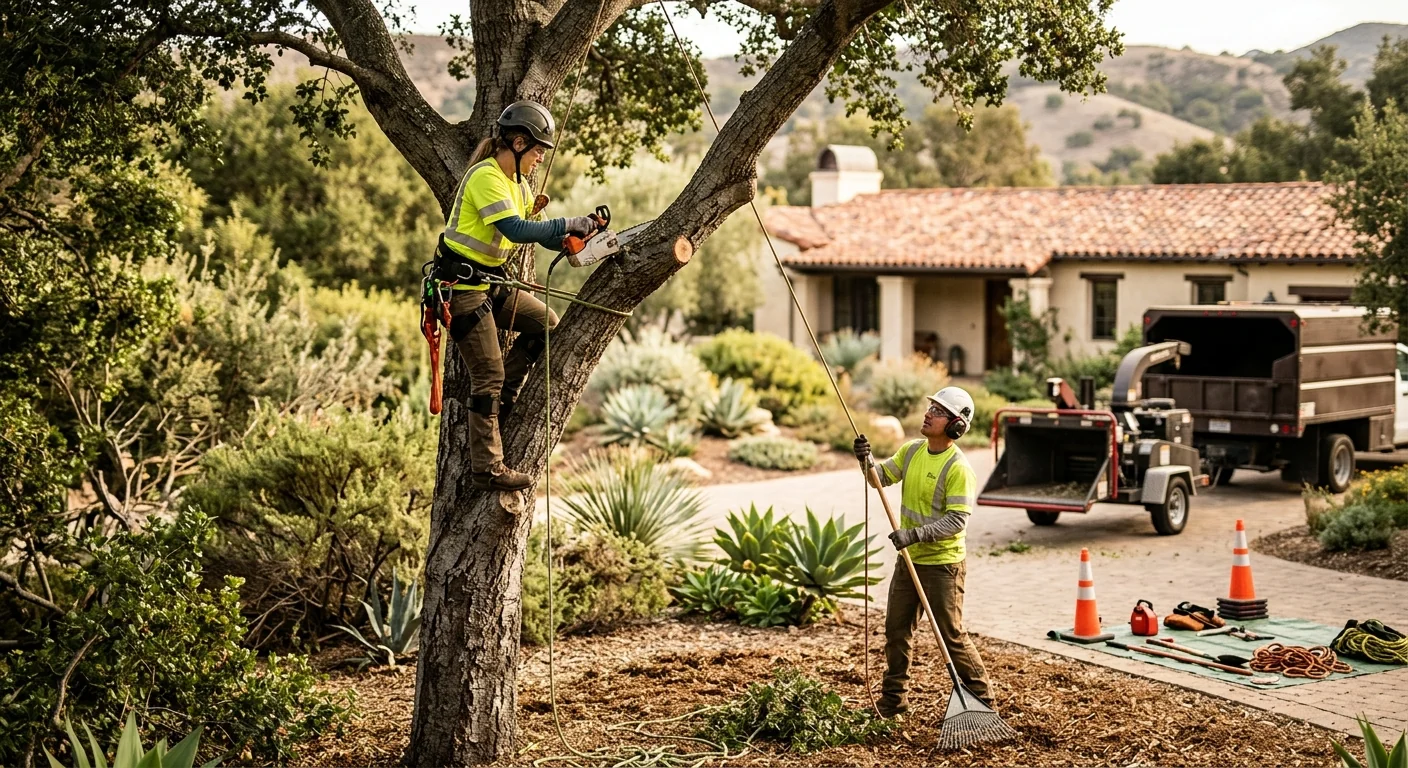
Arborist inspecting a mature oak during a tree risk assessment in Montecito